


What Makes Australia's Workshops Perfect for Educators Seeking Innovation?
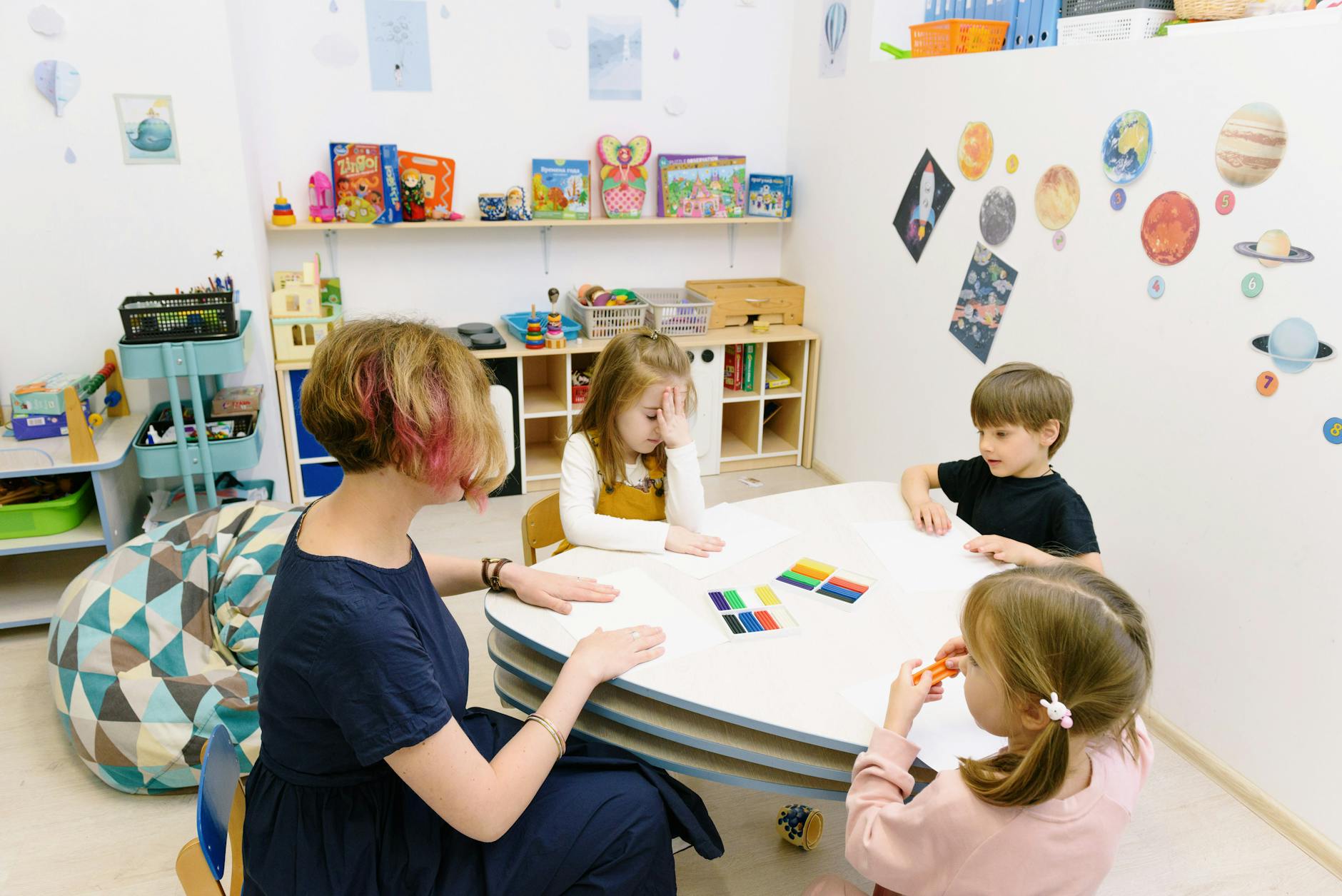
Workshop Variety in Australia
Diverse Topics Available
Australia offers a rich tapestry of workshops Melbourne that cater to a broad spectrum of interests and educational purposes. Whether you're in the heart of the city or exploring more suburban areas, there's likely a workshop that aligns with what you're looking to explore or introduce to your students. From workshops focusing on the latest in digital design to those offering insights into ancient craft techniques, there is an impressive diversity. For educators, especially those eager to incorporate innovative teaching methods, these workshops provide an opportunity to discover unique approaches and resources.
Regional Specialties
Different regions in Australia have their own distinctive specialties when it comes to workshops. While Melbourne is renowned for its creative spaces and broad offerings, other cities like Brisbane also host numerous workshops Brisbane that reflect local culture and expertise. This regional diversity allows educators to explore specialised content, whether it’s pottery in regional Victoria or contemporary art in Sydney, thereby enriching their pedagogical toolkit.
Formats and Structures
Workshops across Australia come in a variety of formats and structures, tailored to suit different learning styles and needs. You might find short, intensive sessions that focus on specific skills or comprehensive programmes that take place over several weeks. A highlight is the workshops at the Abbotsford Convent, which exemplify how learning can be both immersive and inspiring. Through engaging formats, educators can find workshops that not only fit their schedules but also their learning objectives, providing them with fresh strategies to enliven their classrooms.
Innovation in Teaching Methods
Hands-On Experiences
Incorporating hands-on experiences into teaching can transform a student's learning journey. As an advocate for immersive and interactive education, I've seen firsthand how creative workshops can ignite curiosity and foster a deeper understanding of subjects. For instance, workshop sydney offers dynamic environments that enable educators to see the impact of interactive learning. Imagine stepping into a setting where students are encouraged to experiment, explore, and engage directly with the materials at hand, promoting experiential learning that sticks.
Incorporating Technology
Integrating technology within educational frameworks is vital in today's learning environments. Utilising digital tools can significantly enhance engagement by providing students with interactive platforms. Technology aids teachers in presenting material in diverse ways, whether through augmented reality apps or educational games. It's thrilling to observe technologies in action at places like the Melbourne Museum's educational programs. Here, students not only absorb information but also interact with it, turning abstract concepts into tangible experiences.
Encouraging Creativity
Fostering creativity in education is paramount, and workshops at venues like the Abbotsford Convent underscore this emphasis. By encouraging students to think outside conventional paradigms, educators can unlock new realms of thinking and problem-solving. In these creative settings, students are presented with opportunities to brainstorm, innovate, and express themselves freely, crafting an educational atmosphere where ideas flourish rather than conform. Such environments fuel an enthusiasm for learning and build confidence in students to pursue their own creative endeavours.
Benefits for Educators
Skill Enhancement
As educators, we know that embracing fresh learning experiences can greatly enhance our teaching toolkit. Engaging in workshops that focus on practical skills is a stepping stone toward this growth. Whether it's exploring innovative disciplines or refining well-known crafts, the opportunities to develop are limitless. For instance, floristry courses offered in close proximity—such as floristry courses sydney help educators gain insights into vibrant, hands-on educational techniques. These experiences have the potential to inspire new lesson plans and invigorate classroom dynamics.
Networking Opportunities
Workshops also serve as a vibrant platform for building meaningful connections. Attending sessions alongside fellow educators provides a rich environment for exchanging ideas and forging professional relationships. Imagine participating in discussions at the workshops offered at the Abbotsford Convent. These gatherings are more than just learning opportunities; they are interactive environments where educators can network and share experiences, fostering a community spirit.
Personal Growth
On a personal level, stepping into new realms of learning can be life-changing. It's about taking the time to explore hobbies beyond one's usual sphere—be it artistic, technical, or otherwise. Workshops allow educators to focus on personal growth by stepping away from their routine and exploring new interests in a structured setting. This exploration can be remarkably refreshing and invigorating, contributing positively to overall well-being. Engaging in such activities not only enhances professional capability but also enriches personal satisfaction and fulfillment.
Cultural and Environmental Influence
Exploring the cultural and environmental influences embedded in Australian workshops offers invaluable insights for educators. Australia is renowned for weaving its unique experience gifts into diverse learning settings, encouraging innovative thinking and creativity among participants. What sets these approaches apart is their deep-rooted connection to the country's distinct perspectives, including the appreciation of Aboriginal cultures and contributions that showcase Australia's profound history.
The environmental inspiration is another crucial element that educators can integrate into their teaching strategies. Workshops often draw creativity from the country's landscape, infusing learning with the rich textures, colours, and forms found in nature. Incorporating elements such as local flora and fauna, or considerations of sustainability, fosters eco-friendly attitudes and spurs students to think critically about their natural surroundings.
Australia's multicultural society enriches classroom dynamics by merging diverse traditions and educational practices. The array of cultural backgrounds offers different viewpoints, allowing educators to adapt teaching methods that embrace these complexities. By acknowledging and integrating multicultural approaches, students gain broad perspectives and cultivate respect for all people, essential traits in today's interconnected world.
Understanding these elements equips educators with the tools to design engaging and meaningful educational experiences. Leveraging them effectively can make learning moments impactful, promoting growth and fostering an environment that nurtures exploration and inspiration.
Best Practices for Excelling in Workshops
Choosing Your Workshop Wisely
Selecting the right workshop is crucial for fostering rich educational experiences. Look into activities that offer hands-on learning opportunities, akin to those from Melbourne Museum's educational programs. Consider your students' interests; whether it's art through workshops at the Abbotsford Convent or technology integration, matching a workshop to your teaching goals can enhance student engagement. Evaluate what each workshop offers and seek out recommendations from fellow educators who've tapped into Australia's richly diverse workshop landscape.
Cultivating an Engaged Mindset
Preparing for a workshop goes beyond just showing up. An open mind and readiness to immerse yourself in new concepts is key. Participation is most rewarding when you're fully present. Engage actively with facilitators and peers. The idea is to build a collaborative learning environment that mirrors a creative classroom setting. Whether through group exercises or interactive projects, getting involved ensures a deeper understanding of the material and sparks ideas you can bring to your own teaching practice.
Translating Insights into Classroom Exploration
Once the workshop concludes, the real adventure begins—integrating new learnings into your classroom. Initiatives like community projects in Federation Square demonstrate the impact of practical application. Think about how the new skills or insights gained can inspire students in everyday lessons. Perhaps you'll incorporate more outdoor learning, drawing from environmental inspirations, or encourage students' creativity with multicultural approaches. The objective is to bring what you’ve learned to life for your students and make it relevant to their context.
By approaching workshops with curiosity and intentionality, you're not just enhancing your teaching methods; you’re shaping vibrant, engaging educational experiences your students will remember.